Why Defending Criminals Is Not the Same as Supporting Crime
When someone is accused of possessing CSAM (child sexual abuse material), public outrage is immediate. Many ask: If you’re defending criminals in such cases, aren’t you working for the dark side?
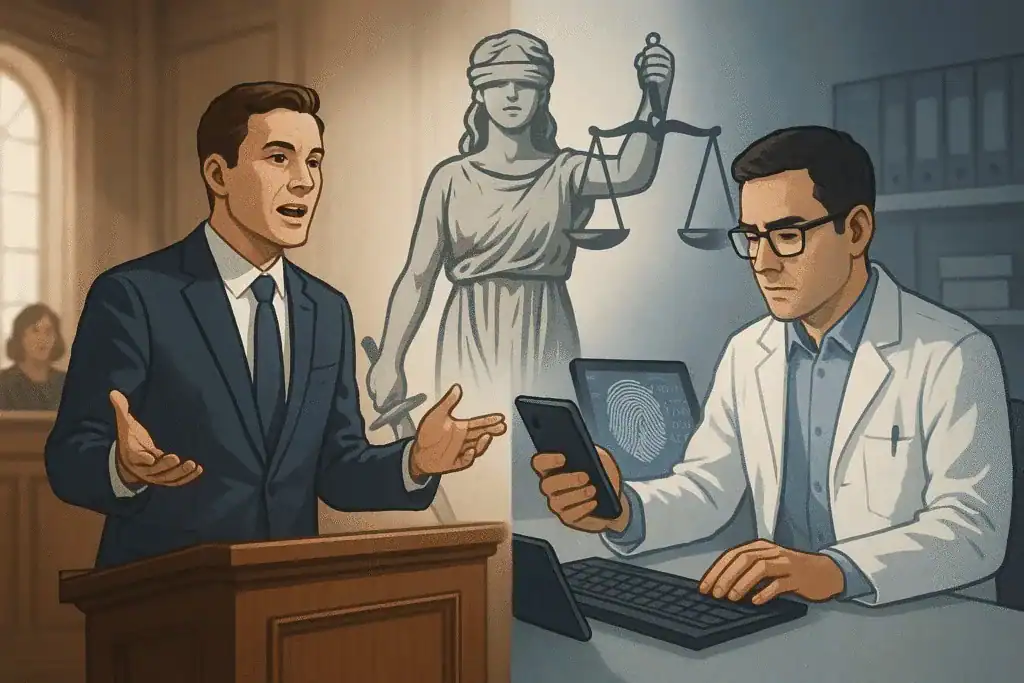
The answer is no. In reality, defense attorneys, investigators, and forensic experts serve very different but equally vital roles. Advocates fight for the accused’s constitutional rights, while experts remain impartial to ensure evidence is credible. Together, they protect justice — not crime.
Defense Attorneys and Investigators: Advocates for the Accused
In a fair justice system, every accused person is entitled to legal defense. This doesn’t excuse the alleged crime. Instead, it ensures the government proves its case lawfully and beyond a reasonable doubt.
Defense attorneys and criminal defense investigators are advocates, and their work includes:
- Challenging evidence that may have been unlawfully obtained.
- Protecting the accused from procedural errors or abuses of power.
- Holding prosecutors accountable to the highest legal standards.
Defending criminals in this sense is not about excusing behavior — it’s about safeguarding due process, which ultimately protects everyone.
Why Experts Must Remain Impartial in Criminal Defense Cases
Forensic experts — particularly in digital forensics — play a very different role. They are not advocates. Instead, their credibility depends on neutrality.
Expert witnesses may be asked to:
- Determine if digital files were knowingly possessed or introduced by malware.
- Verify whether evidence collection and handling met scientific standards.
- Explain technical findings in ways a judge or jury can understand.
If experts appear biased toward one side, their testimony loses impact. Impartiality ensures they remain trusted sources of truth in the courtroom.
The Balance Between Advocacy and Impartiality
The justice system depends on a careful balance:
- Defense attorneys and investigators serve as advocates, pushing hard to protect their client’s rights.
- Forensic experts remain impartial, making sure the evidence presented is technically sound and reliable.
This dual approach ensures that neither advocacy nor impartiality dominates unfairly. Together, they prevent wrongful convictions and safeguard justice.
Defending Criminals vs. Working for the Dark Side: The Key Difference
It’s essential to distinguish between the act of committing crimes and the role of defending someone accused of them:
- Working for the dark side means producing, distributing, or enabling CSAM.
- Defending criminals means ensuring a fair trial, accurate evidence, and respect for constitutional rights.
Defense professionals do not enable abuse. They uphold the integrity of the justice system, while impartial experts safeguard the reliability of facts.
What the Justice System Gains from Strong Defense
Cases involving CSAM are among the most difficult to defend, but the principles at stake are vital. Advocacy ensures fairness for the accused. Impartial expertise ensures credibility of evidence. Together, they protect:
- The constitutional rights of the accused.
- The balance of power between prosecution and defense.
- The integrity of courts and the trust of society in due process.
Defending criminals, even in the darkest cases, is not working for the dark side. It is ensuring that justice itself remains fair, balanced, and trustworthy.